By Gĩtaũ wa Kũng’ũ (profgitauwakungu@gmail.com)
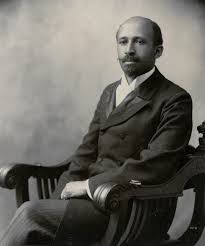
W.E.B. Du Bois
W.E.B. Du Bois: Born on February 23, 1868, W.E.B. Du Bois was a towering intellectual and civil rights leader. A co-founder of the National Association for the Advancement of Colored People (NAACP), Du Bois was a prolific writer and fierce advocate for social justice. His seminal work, “The Souls of Black Folk,” offered profound insights into the African American experience and challenged the status quo of racial inequality. Du Bois’ pioneering efforts in advocating for African American rights, his role in founding the NAACP, and his influential literary contributions have left an indelible mark on the fight for equality. His legacy continues to inspire movements for civil rights and social justice around the world.
Constance Baker Motley On February 23,
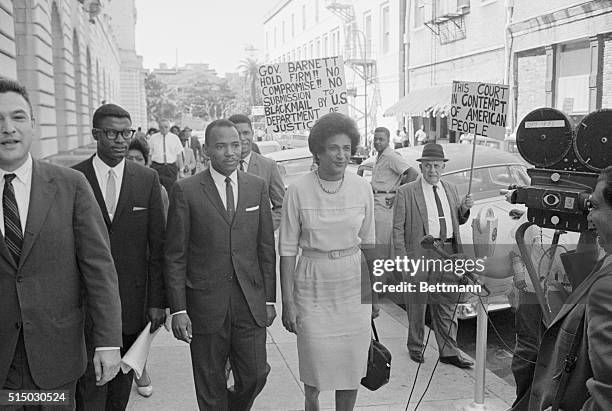
1965, Constance Baker Motley made history as the first African American woman elected as Manhattan Borough President. She was a trailblazer in the legal field, becoming the first African American woman appointed to the federal judiciary. Motley played a significant role in the civil rights movement, arguing key cases before the Supreme Court, including Brown v. Board of Education. Her legal acumen and dedication to justice paved the way for future generations of African American women in law and public service. Motley’s historic achievements in both legal and political arenas continue to serve as a powerful testament to her unwavering commitment to civil rights.
Frank E. Petersen Jr.
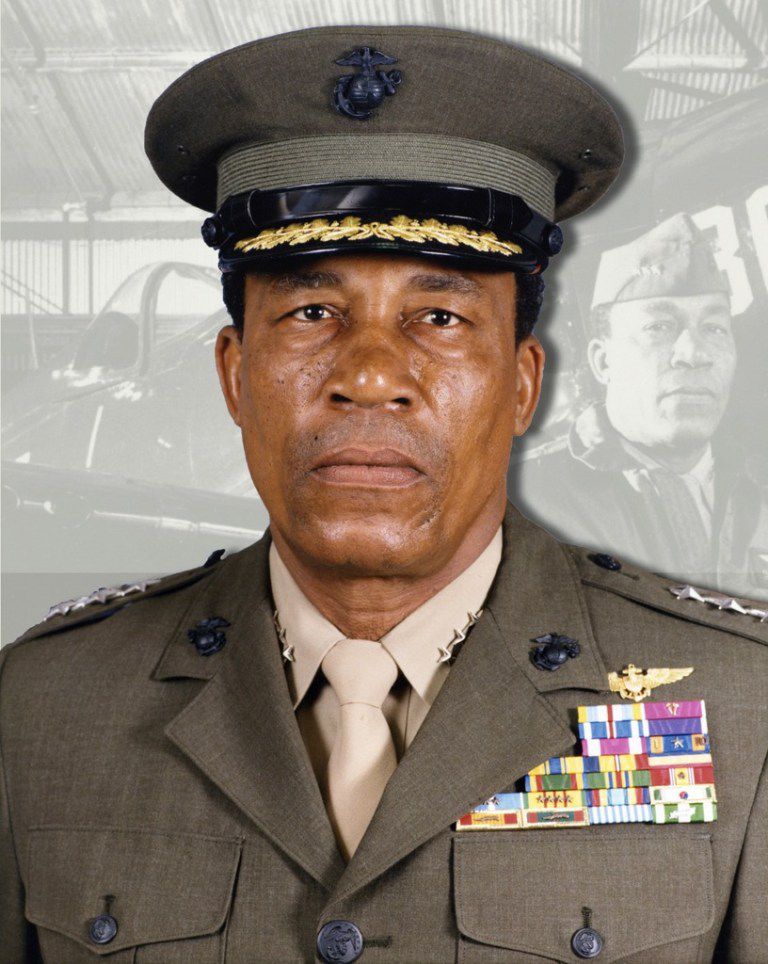
February 23, 1979 marked a milestone in military history with Frank E. Petersen Jr. becoming the first African American Marine Corps general. Petersen broke racial barriers and exemplified excellence and leadership throughout his distinguished career.

His achievements not only contributed to the diversification of the U.S. military but also served as a powerful symbol of perseverance and capability for aspiring African American service members. Petersen’s remarkable rise to the rank of general and his trailblazing contributions to military history remain an inspiration for future generations.
Return of Civilian Rule in Nigeria:
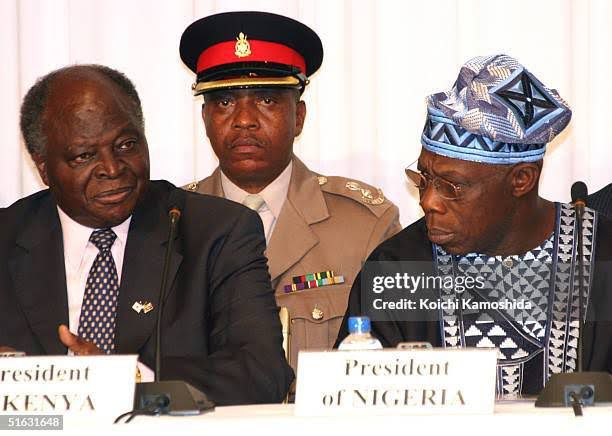
February 23, 1999, saw Nigeria embrace a new era of governance with the election of Olusegun Obasanjo as President, marking the end of a prolonged period of military rule. This pivotal moment in Nigerian history represented a significant step towards democratic governance and set the stage for future democratic developments in the country. The return to civilian rule under Obasanjo’s leadership marked a major milestone in Nigeria’s political evolution.
These remarkable individuals and events have each left an indelible mark on history, demonstrating courage, resilience, and a steadfast commitment to equality and justice. Their legacies serve as enduring sources of inspiration for future generations.
 Honia-Heal Afrika Initiative (HAI)
Leave a comment