
By Gĩtaũ wa Kũng’ũ (profgitauwakungu@gmail.com)
If you’ve ever spent time at a local veve base, you know that stories aren’t just told—they’re traded, debated, and sometimes, they hold the power to change lives.
Did you know that one tree could heal your body, create jobs, and boost the economy? Moringa is that tree.
It was one of those slow afternoons, where the air carried the scent of hot Murang’a Coffee and idle chatter. Amid the laughter, Leonard Mũnyua Mũthee leaned in, ready to unveil a tale that made men pause mid-chew of muguka.
“Ĩĩ nĩ mwamenya ndamakire mũno,” he began. We wanted to know why he was surprised.
His aunt in Nyeri had called him, asking for an unusual favour: cut some Moringa leaves, wrap them up, and send them in a parcel. He thought she was unwell, struggling with something minor. But when he finally checked in, she revealed the full story.
She had been battling diabetes, the silent killer that creeps up unnoticed, tightening its grip with fatigue, swollen limbs, and fluctuating blood sugar levels. She was brewing her medicine, not fighting for survival.
Days later, her energy returned, her blood sugar leveled, and the same neighbors who had seen her suffering now stood at her doorstep, asking: “ndawa ĩno ũraruutire kũ?” where did you find this cure?
That was how she became the village healer. But beneath the surprise and the newfound fame lay a deeper truth—traditional medicine was not just about curing ailments; it was about preventing them.
Lessons from Mwarubaine—Shifting from Cure to Prevention
Last week, we unraveled the forgotten power of Mwarubaine—the tree of forty cures. Once standing tall in homesteads, its leaves, bark, and oils healed malaria, ulcers, arthritis, and skin infections before hospitals became the go-to solution. But its decline mirrored a deeper issue—our over-reliance on curative medicine.
We wait until we’re sick.
We wait until our bodies fail.
Then, and only then, do we rush to seek help.
But what if, instead of treating diseases, we prevented them?
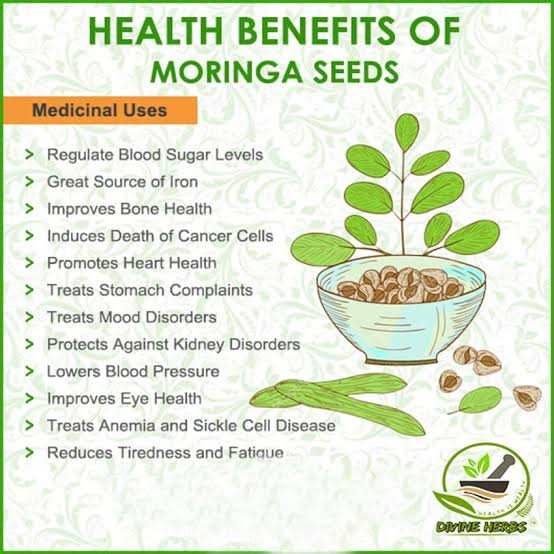
Moringa, much like Mwarubaine, offers a path to prevention. Its leaves, rich in Vitamins A, B, C, and E, strengthen immunity before sickness arrives. Its antioxidants fight inflammation before arthritis settles in. Its natural compounds regulate blood sugar, keeping diabetes at bay.
It’s time we stop reacting to disease and start preventing it.
Here’s how we build this foundation:
- Herbal Research & Validation → Scientific studies to prove the efficacy of plants like Mwarubaine and Moringa.
- Community Education → Teaching people how to use herbal medicine daily, not just in moments of desperation.
- Herbal Clinics in Hospitals → Integrating traditional medicine alongside pharmaceuticals.
- Economic Expansion → Cultivating medicinal plants commercially to create jobs, industries, and exports.

Integrating Traditional Medicine into the Modern System
Leonard’s aunt wasn’t just healing herself—she was exposing an overlooked truth: our ancestors had natural solutions for health long before pharmacies existed. Now, more than ever, we must bridge traditional medicine with modern healthcare.
“Mũũgĩ nĩ mũtaare” We acquire wisdom by finding counsel from the wise and knowledgeable. The knowledge is here, growing at our feet. It’s time to reclaim it.
Moringa’s Role in Economic Growth and Industrialization
Health is wealth, but in Moringa’s case, it’s literal wealth. This tree is not just a healer, it’s a driver of economic transformation.
1. Raw Materials for Herbal Industries
– Moringa provides oils, powders, and extracts used in pharmaceuticals, cosmetics, and food supplements.
– Processing plants for Moringa products can be established locally, reducing imports and strengthening Kenya’s self-sufficiency.
2. Job Creation for Youth
– Seed development, farming, drying, packaging, and marketing—Moringa-based businesses will employ young people in both rural and urban areas.
– Entrepreneurs can invest in natural skincare, immune-boosting drinks, and herbal medicine, creating sustainable livelihoods.
3. Infrastructure Growth
– Increased farming of Moringa will necessitate better roads for transportation, storage facilities, and processing hubs, benefiting the economy beyond agriculture.
4. International Trade & Export Opportunities
– As the world turns to organic health solutions, Kenya can export Moringa-based products globally, positioning itself as an industry leader.
– Countries with high rates of diabetes, heart disease, and malnutrition would be prime markets for Moringa exports.
5. Health Cost Reduction
– Preventing disease means fewer hospital bills, less strain on healthcare systems, and better productivity among the workforce.
– If families integrate Moringa into their daily diets, they rely less on costly treatments and medications.
A Call to Plant, Prevent, and Prosper
One parcel saved a life. One tree transformed a village. Imagine what millions of trees could do.
The Honia-Heal Afrika Initiative is not just planting trees—it’s planting a movement. By restoring Mwarubaine, expanding Moringa cultivation, and promoting preventive healthcare, we can reduce hospital burdens, empower communities, boost industries, and revive our indigenous economy.
Let’s not wait for illness to dictate our choices. Let’s be proactive.
Much like “Kidole kimoja hakivunji chawa,”—this transformation will take collective effort. But if we invest in Moringa, we don’t just heal bodies—we heal economies.
Will you walk this path with me—where healing begins before sickness strikes, where trees nurture both life and industry? 🌿✨
Would you like to see Moringa farms thrive in Kenya? Share your thoughts in the comments!🙂
 Honia-Heal Afrika Initiative (HAI)
Leave a comment