http://proftashwrites.blogspot.com/2022/11/gikuyu-and-mumbi-daughters-names.html
By the pen of Gĩtaũ wa Kũng’ũ ©️ 2022
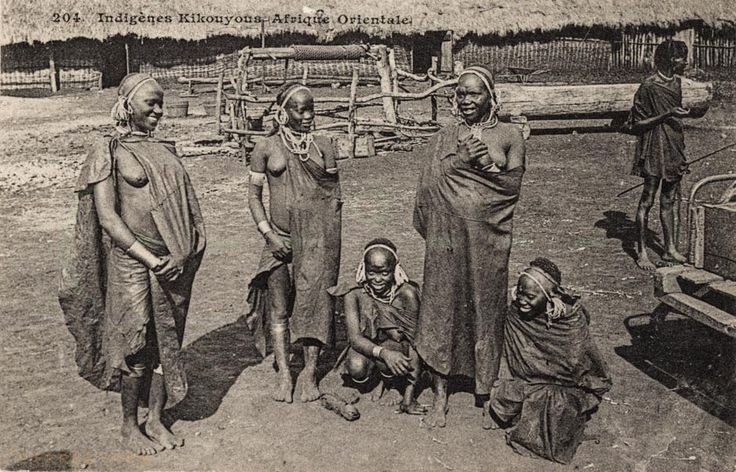
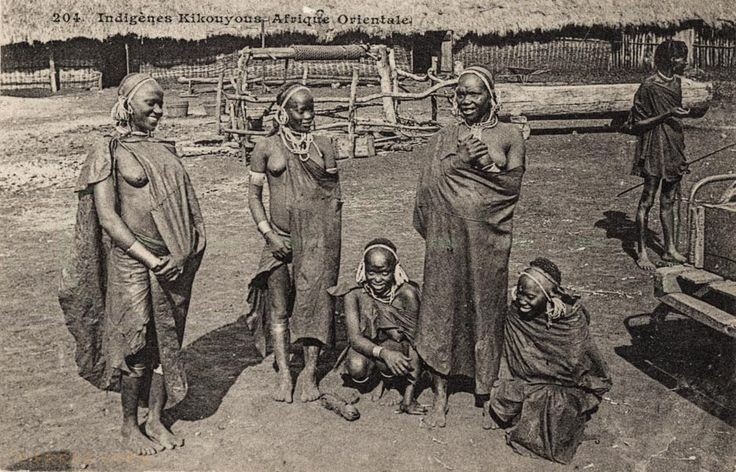
After settling in Mũkũrwe wa Nyagathanga, Gĩkũyũ and Mũũmbi were blessed to become parents. They bore nine-full daughters and no son.
The Kenda mũiyũru or “perfect nine” or “nine-full” daughters grew up in amusing beauty, wisdom and strength to make the matriarchs of the said nine’ Aagĩkũyũ clans.
The ten daughters are Wanjirũ, Wanjikũ, Wambũi, Wangũi, and Waithĩra aka Wangeci, Waceera, Nyambura aka Mwĩthaga, Wairimũ, Wangarĩ aka Waithiegeni—and Wamũyũ.
Every clan identifies with their matriarch’s name.
Thus, according to their names, the clans derive their names in the order as speculated below:
1. Wanjirũ; the matriarch of Aanjirũ clan
2. Wanjikũ: matriarch of the Aagacikũ clan
3. Wambũi: matriarch of the Aambũi clan
4. Wangũi /Waithiegeni: matriarch of the Aangũi or Aaithiegeni clan
5. Waithĩra/Wangeci is the mother to the Aaithĩrandũ/Aangeci clan
6. Waceera: matriarch of the Aaceera clan
7. Nyambura/Wakiuru/Mwĩthaga: the matriarch of the Ethaga/Ambura clan
8. Wairimũ/Gathĩĩgia: matriarch of the Aairimũ/Aagathigia clan
9. Wangarĩ/ Waithiegeni: mother of the Aangarĩ/Aaithekahuno
@ Wamũyũ/Warigia: matriarch of the Aicakamũyũ/Warigia/Wanjũgũ clan.
Like all humans, every person has his or her individual personalities, traits, strengths, and weaknesses. So were the nine’.
Each clan had its inherent attributes, which have been inherited from one generation to the other.
Gĩkũyũ knew about the science of genetic variation and they believed certain personalities are attributed to certain genetic make-ups. This knowledge was exercised to determine which clans can and cannot marry. Therefore, there were limitations to intermarriages between some clans.
Expounded herein we learn about every of the nine’ daughters from Wanjirũ to Wamũyũ.
1. Wanjirũ; the matriarch of Aanjirũ clan
Wanjirũ was the firstborn and the ancestor of the Aanjirũ clan.
Her husband was named Njirũ by his father, the patriarch Gĩkũyũ.
Her name originates from the Gĩkũyũ word njirũ that means shining black.
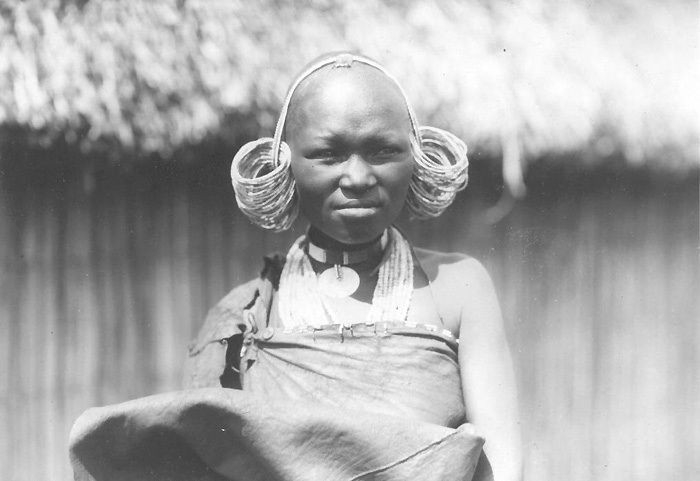
She had a shining, dark-skinned complexion and a rich, feminine beauty.
She was tall and curvaceous.
Wanjirũ’s spectacular beauty made men fight to walk beside her.
She was so attractive that men’s eyes couldn’t help savouring longer glimpses of her.
Her eyes could see things even in the darkest of nights.
Her face was such mystery that nobody could interpret her emotions by looking at her.
She was very secretive and it was not easy to penetrate into her mind.
Her actions were difficult to predict she often caught people off-guard.
Legend has it that she put a curse on a hyena, symbolically cursing greed.
She was praised of her generosity. She loved visitors.
She was never at peace and could not hold any talks after welcoming visitors until she had served them food and they were full and quenched.
She had great leadership skills. She was wise and an inventor.
Aanjirũ possess prophetic powers.
She was very convincing. She was called the “smooth-tongued.” Aanjirũ use this tongue to taunt and provoke an enemy and lure it into their trap.
Aanjirũ are dreamers, seers and prophets.
She was talented in herbal medicine.
She was also a maker of special spiritual herbs mĩthaiga.
She was also a spiritual healer.
She used mĩthaiga in treating spiritual ill health.
Wanjirũ used to smear her body with mĩthaiga and they would enable her to communicate with animals.
She made mĩtũrirũ (Sing. Mũtũrirũ).
Wanjirũ could harmonise wild animals and stay with them as they danced to her Mũtũrirũ’s tune.
She played her trumpets so perfectly that stray wild animals would keep off human settlements.
She was paid to blow her trumpet and keep off wild animals from attacking livestock as they were being taken to the river for drinking.
Anjirũ are brave warriors for peace. Wanjirũ was very protective.
The Gĩkũyũ warriors could not go into battle/raids in the neighbouring communities without the Aanjirũ’s permission/blessing.
Peace loving, as she was, whoever passionately committed wrongs against her or another person and/or bragged about it was befallen by misfortune.
In conclusion, Wanjirũ and so Anjirũ are a strong and stable pillar of the Agikuyu community. Their words MUST NEVER be taken for granted.


 Honia-Heal Afrika Initiative (HAI)
Leave a reply to Nyambura Muiruri Cancel reply