
By Gĩtaũ wa Kũng’ũ profgitauwakungu@gmail.com.
It began one sleepless night, years ago, when pain gripped me in a way I had never known. I was hunched over in my bed, holding my stomach as tears streamed down my terrorised face. The sharp sting of ulcers made the night feel endless, and my cries echoed through the silence of my grandma’s home. The nearest hospital in Kigumo was kilometres away, and there was no immediate relief in sight. My cũcũ, always a source of comfort and wisdom, sat beside me, shaking her head with a deep sigh.
“Ĩĩ wooi na Mwarubaine wagĩtemirwo na nĩingĩagũthondekera gĩkombe ũnyue” she lamented—if the Mwarubaine tree that once stood in her compound hadn’t been cut down, it could have eased my suffering. Its leaves would have brewed into a tea bitter enough to chase away pain but strong enough to soothe my stomach. As the hours crept by, I clung to her words, realizing that the loss of that single tree was far more profound than I had ever imagined.
That night left a scar—not only in my body but in my understanding of what we had lost. The absence of Mwarubaine wasn’t just the loss of a tree; it was the loss of a lifeline, a bridge to healing that generations before us had depended on. But, as the proverb says, “Matiũĩ kĩhooto nĩ magai”—those who don’t know the truth are easily misled. We had cut down what we didn’t fully understand, and it was up to me to restore that knowledge and reclaim the tree’s rightful place in our lives.
That time is now!
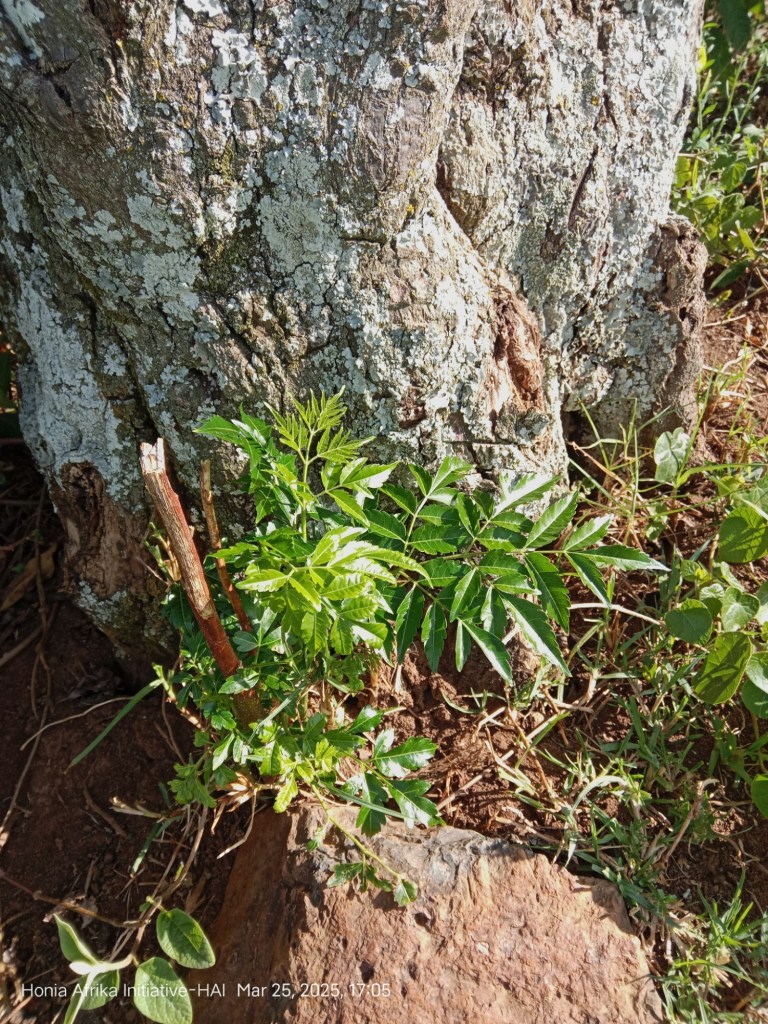
Being a literature student, and possessing a peculiar relationship to symbolism, including symbolism of numbers the name rang a bell in my mind. So I immersed into research of Mwarubaine, also known as Neem tree and botanically as Azadirachta indica.
Mwarubaine stands as more than a tree—it’s a sacred symbol of resilience and healing. The number forty, deeply rooted in both faith and tradition, resonates through its reputation as “the tree of forty cures.” Just as the Israelites wandered the desert for forty years before reaching the Promised Land, and Jesus fasted for forty days to prepare for His mission, the journey to restore Mwarubaine will require perseverance and faith.
The tree’s gifts reflect its sacred symbolism: its leaves soothe malaria, its bark calms ulcers, and its seeds offer relief for joint pain. Each cure is a testament to the wisdom of nature and a reminder that, as the proverb says, “Hinya wa mbere ndũũragaga”—the first effort rarely succeeds, but persistence brings victory. Reviving Mwarubaine in Kigumo and beyond will be a journey of trials and triumphs, and I am ready to see it through.
The healing power of Mwarubaine is unparalleled. Its leaves, with their antibacterial and antifungal properties, combat malaria, boost immunity, and cleanse the body. The oil from its seeds provides relief for arthritis and nourishes the skin, while its bark offers a remedy for gastrointestinal issues, including ulcers—the very ailment that left me crying in the night.
Yet, this is just one part of the story. Other herbal plants like moringa, aloe vera, and rosemary complement Mwarubaine, creating a natural pharmacy that can address a wide array of modern health challenges.
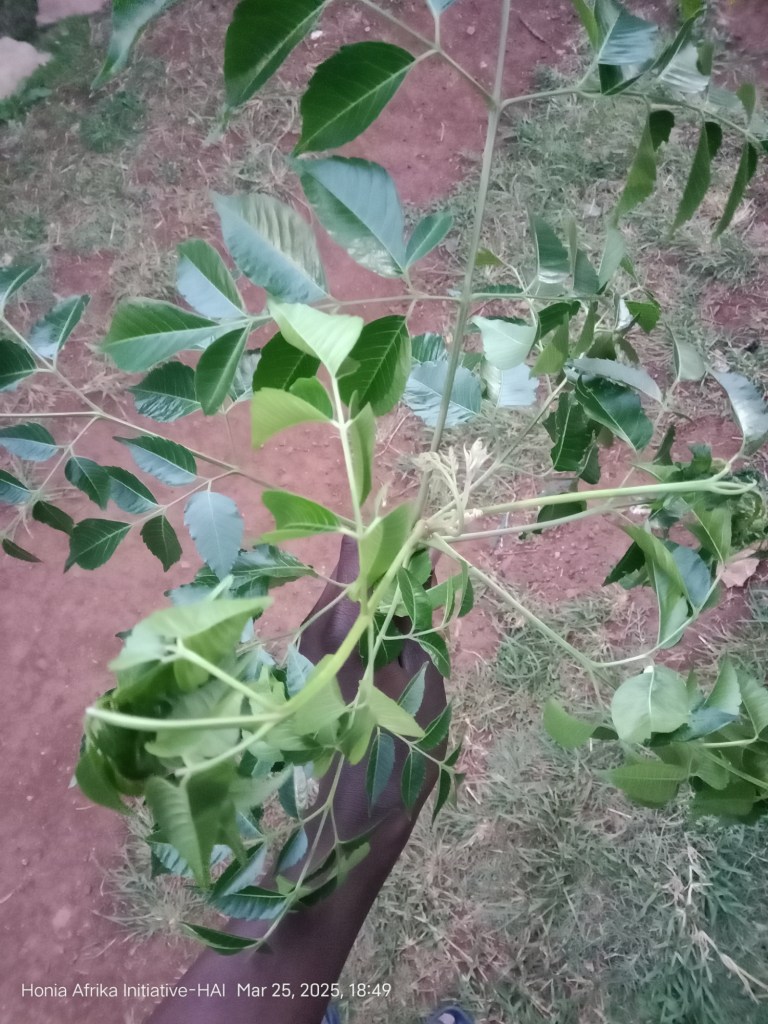
My decision to replenish the revival of Mwarubaine isn’t just about curing diseases, it’s about transforming lives. Imagine industries built on the oils, powders, and extracts of herbal plants. Picture young people, once idle, now working in nurseries, research facilities, and production plants. These trees have the potential to fuel an entire economy, creating jobs and innovation while reconnecting us to our land’s gifts.
Much like “Kidole kimoja hakivunji chawa,” I cannot achieve this dream alone. But together, as a community, we can build industries powered by the healing hands of nature. Why so?
Restoring Mwarubaine means more than planting a tree. It means planting hope and reclaiming dignity. When I imagine Kigumo, I see it transformed: roads leading to factories that process neem oil, schools funded by the revenues of herbal industries, and families thriving under the shade of prosperity. As “Tembea uone nchi,” exploration reveals new opportunities—this journey is one of endless possibilities.
Today I had the privilege to find one Mwarubaine tree, somewhere in Chebaiywo, just in the neighbourhood of Moi University Main Campus.
The journey begins here, but I cannot walk it alone. I invite you to join me in planting trees of transformation, nurturing roots of opportunity, and growing branches of hope. Together, we can restore Mwarubaine and create an ecosystem that heals, empowers, and thrives.
Let us make the tree of forty cures a symbol of resilience, not just for Kigumo but for all of Kenya and Africa at large. We are healing Africa one herbal tree at a time. Will you walk this path with me, hand in hand?
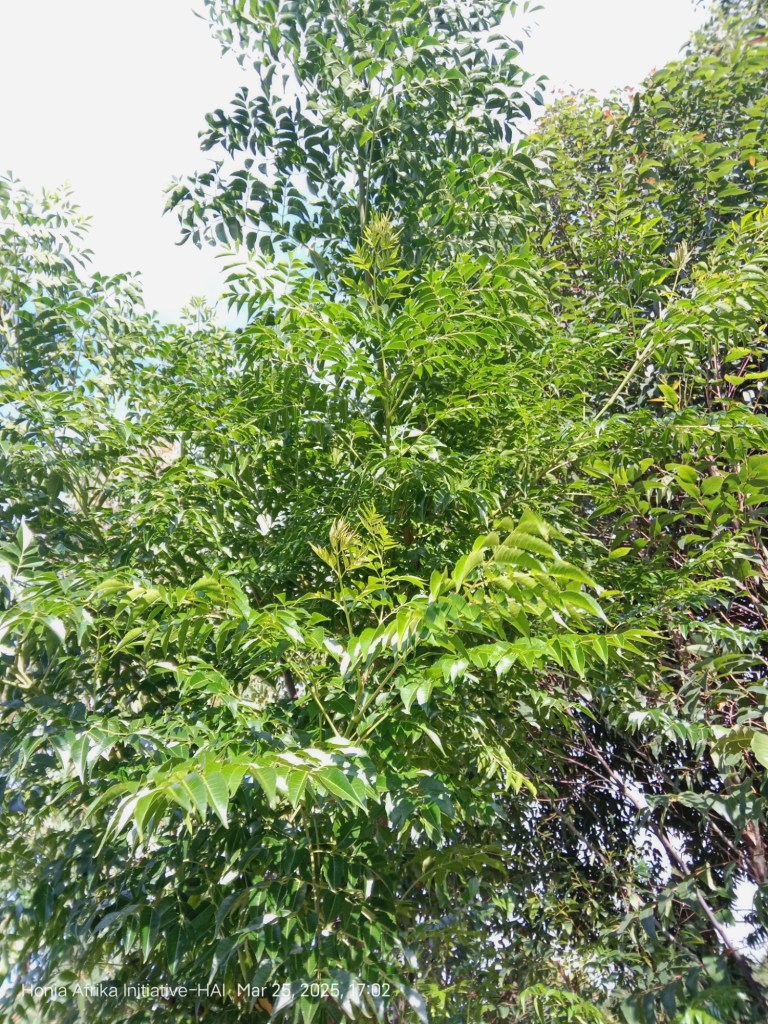
Green Mwarubaine leaves.

 Honia-Heal Afrika Initiative (HAI)
Leave a reply to Anonymous Cancel reply